Dec. 05, 2025
The global construction industry is witnessing a significant shift towards efficient, durable, and user-centric building solutions, with integral bathrooms emerging as a key driver of this transformation. As hotel chains and apartment developers prioritize operational efficiency, cost control, and guest/resident experience, the application of integral bathrooms has undergone remarkable upgrades, adapting to the unique demands of large-scale hospitality and residential projects.
Industry Upgrade: From Functional to Intelligent and Sustainable
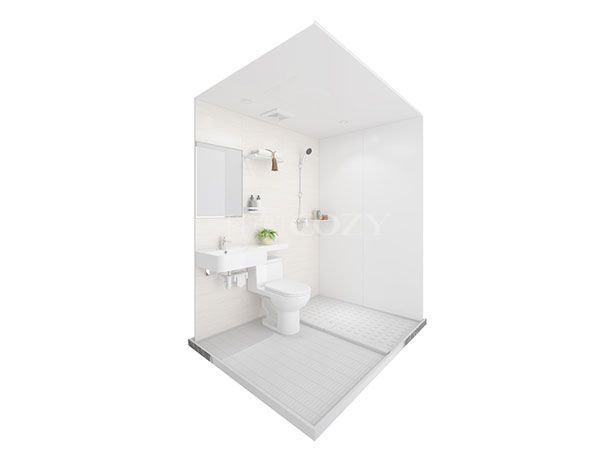
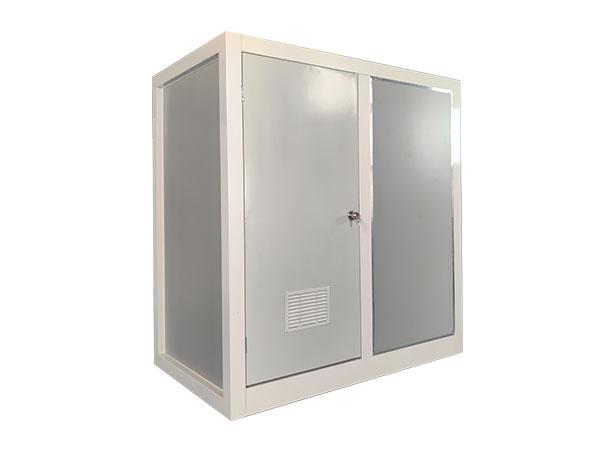
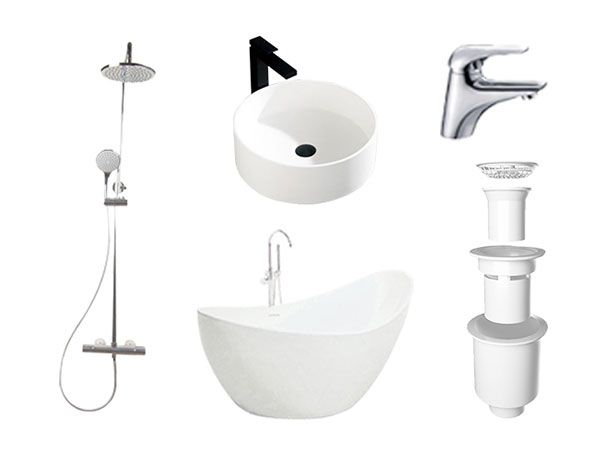
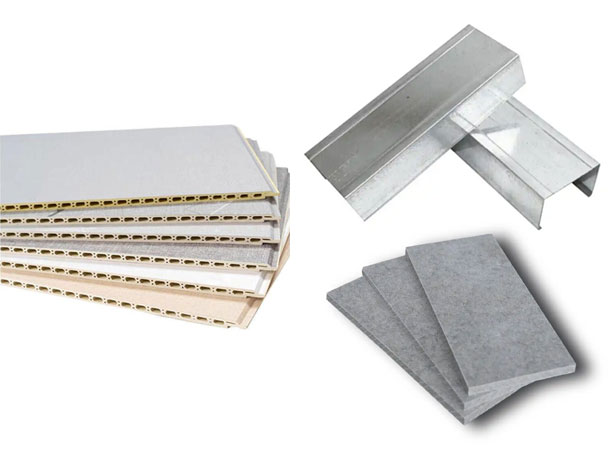
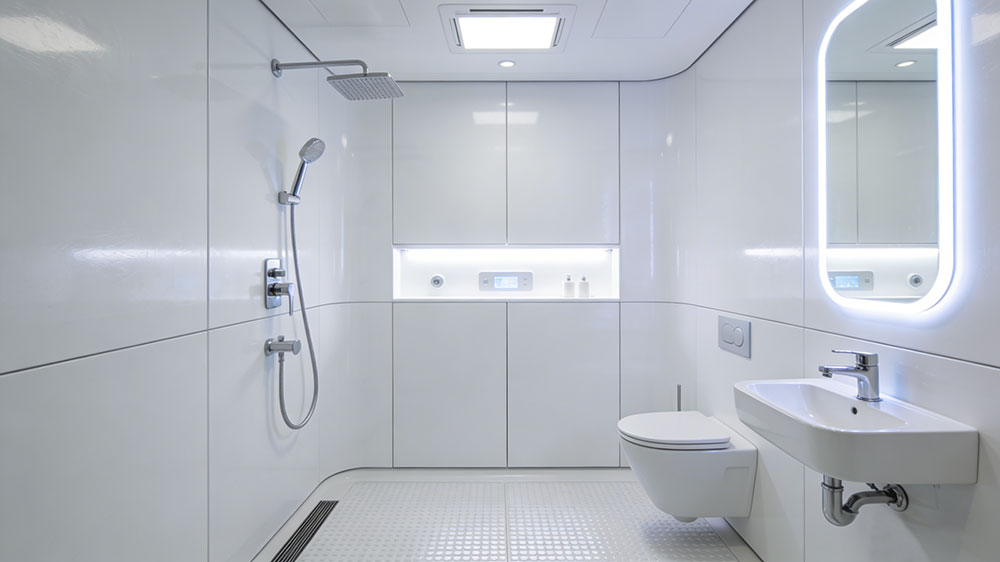
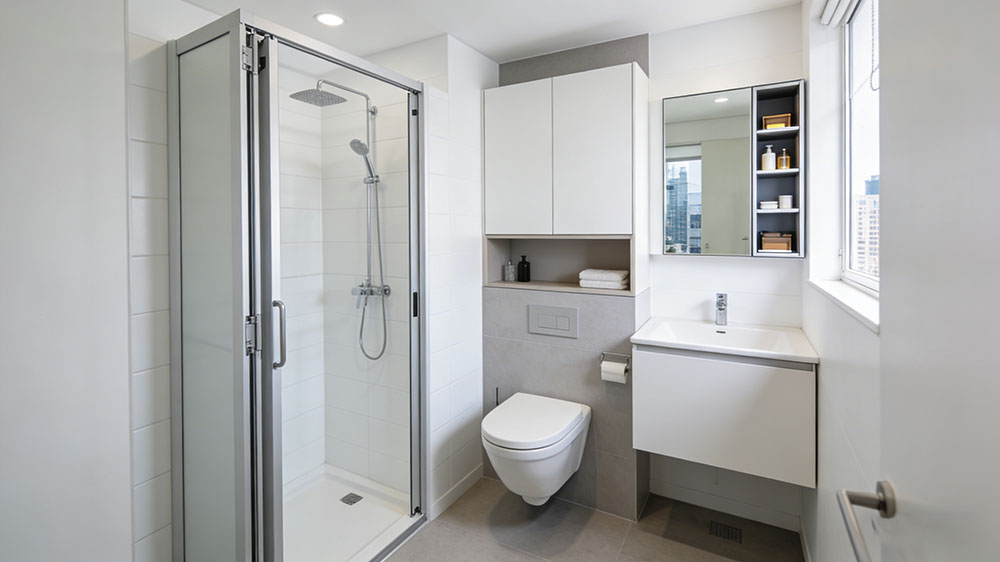
Prefab Bathroom Units, defined by their prefabricated, one-piece design that integrates wall panels, flooring, sanitary ware, and plumbing systems, have evolved beyond basic functionality. The latest upgrades focus on three core dimensions: intelligence, sustainability, and customization. Leading manufacturers have integrated smart technologies such as sensor-controlled faucets, temperature-adjustable shower systems, and energy-saving lighting into integral bathroom units, catering to the growing demand for modern living experiences. Additionally, eco-friendly materials—including recycled composites and water-saving fixtures—have become standard, aligning with global green building initiatives and helping projects achieve sustainability certifications like LEED and BREEAM. Customization options have also expanded, allowing developers to tailor bathroom sizes, color schemes, and fixture configurations to match brand aesthetics or residential design themes.
Hotel Projects: Efficiency, Durability, and Brand Consistency as Core Demands
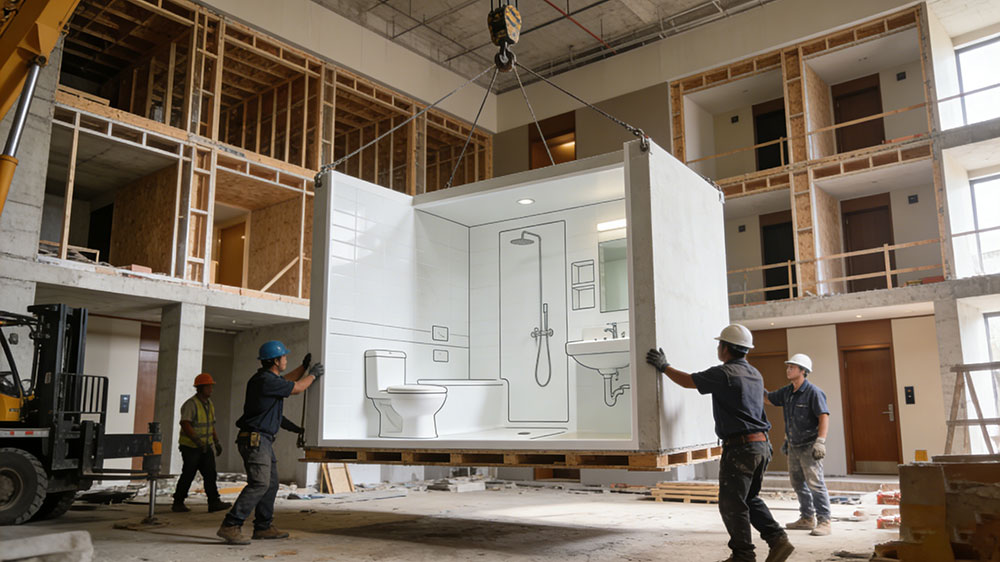
For hotel projects, the application of integral bathrooms is driven by three critical needs that directly impact operational performance and guest satisfaction. Firstly, rapid installation and reduced construction time are paramount. Hotel developers often face tight project schedules to launch operations and generate revenue; integral bathrooms, which are pre-assembled in factories and installed on-site in a matter of hours, cut construction periods by 30-40% compared to traditional tiled bathrooms. This efficiency minimizes labor costs and avoids delays caused by on-site wet work.
Secondly, durability and low maintenance are non-negotiable. High guest turnover means hotel bathrooms endure frequent use, requiring materials that resist scratches, stains, and water damage. Integral bathrooms’ seamless design eliminates grout lines—common breeding grounds for mold and bacteria—reducing cleaning time by 25% and lowering long-term maintenance expenses. Major hotel chains such as Marriott and InterContinental have adopted integral bathrooms in their new properties, citing a 20% reduction in annual maintenance costs.
Thirdly, brand consistency and guest experience drive customization demands. Mid-to-high-end hotels seek to maintain a unified aesthetic across all rooms, while budget hotels prioritize space optimization. Integral bathroom manufacturers offer modular solutions—from compact 3-square-meter units for budget hotels to luxury configurations with rainfall showers and vanity mirrors for boutique properties—ensuring that functionality aligns with brand positioning.
Apartment Projects: Cost-Effectiveness, Space Efficiency, and Resident Comfort
Apartment developers, whether targeting affordable housing or high-end residential complexes, have distinct requirements that Prefab Bathroom Units upgrades address. Cost-effectiveness is a top priority for mass-market apartments: prefabricated integral bathrooms reduce material waste by up to 15% and cut on-site labor costs, making them an economical choice for large-scale projects. In China, where affordable housing construction is booming, over 60% of new apartment complexes now use integral bathrooms, according to the China Building Materials Federation.
Space efficiency is another key demand, especially in urban areas where living spaces are shrinking. Integral bathrooms’ compact, one-piece design maximizes usable space, with some models integrating storage solutions and foldable fixtures to save room. For small apartments (under 60 square meters), Prefab Bathroom Units can free up to 1 square meter of living space compared to traditional bathrooms.
Resident comfort and long-term reliability are critical for high-end apartments. Upgraded Prefab Bathroom Units feature soundproofing materials to reduce noise from plumbing, anti-slip flooring, and corrosion-resistant fixtures—enhancing livability and property value. Luxury residential projects in cities like New York and Tokyo have begun offering smart Prefab Bathroom Units with app-controlled temperature settings and water usage monitoring, appealing to tech-savvy buyers.
Market Outlook: Continued Growth Fueled by Project Demand
Industry analysts predict that the global integral bathroom market will grow at a CAGR of 8.5% from 2024 to 2030,
driven primarily by increasing demand from hotel and apartment projects. As construction technologies advance, future upgrades are expected to focus on even greater sustainability—such as solar-powered water heating systems—and AI-integrated smart features that adapt to user habits. For manufacturers, the key to success lies in balancing standardization (to reduce costs) with customization (to meet project-specific needs), while developers will continue to prioritize solutions that deliver efficiency, durability, and enhanced user experiences.
In summary, the upgrade of integral bathroom applications is a response to the evolving demands of hotel and apartment projects. As the construction industry embraces prefabrication and smart building trends, integral bathrooms are set to become a standard component in commercial and residential developments worldwide, reshaping the way spaces are designed, built, and experienced.
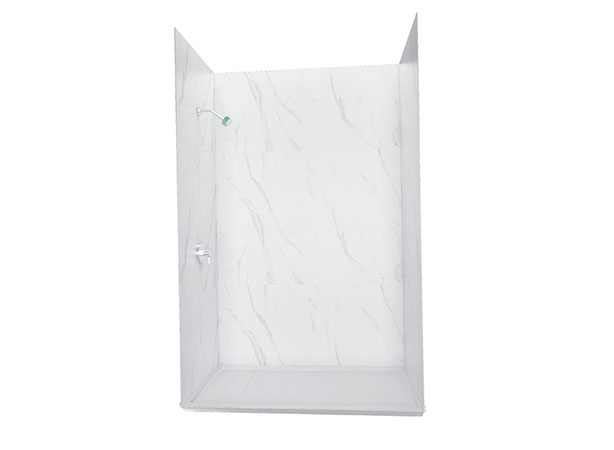
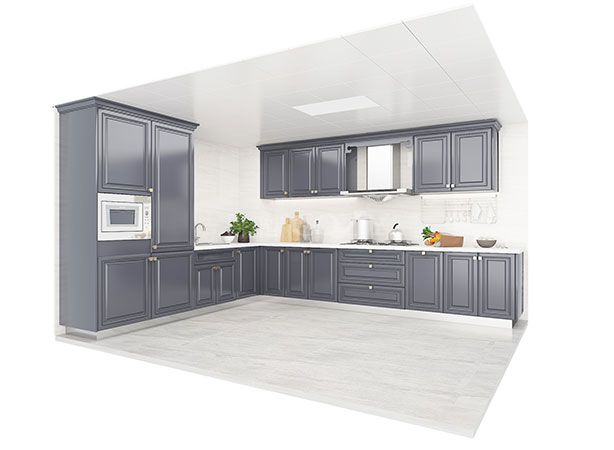
COZYINTL specializes in undertaking domestic and foreign prefab bathroom unit, prefab kitchen unit, shower wall panels renovation projects, please contact us to request a free consultation or download technical specs, and we can transform your next project with Prefab Bathroom Units.
 English
 Russia
 Spanish